Corn is one of the most widely grown crops and one of the researched and processed grains. It is one of the most popular animal feed grains, as well as used for human food and industrial processing. Corn flour, corn oil, pop corn, corn syrup, corn soap are some of the most common corn products consumed worldwide.
My Role: Graphic Design, Motion Design, Data Visualization
Research Team: UCLA University
The USA is the largest producer of corn in the world. 34% of all corn is grown here. 13% of the corn grown in the US is exported, accounting for 38% of the world corn export. China is the second largest corn producer in the world, 22% of all corn is grown here. Corn is the largest crop grown in China, surpassing wheat and rice in recent years. China doesn't export a significant amount of its corn. China imports corn from Brazil and USA, among others. Brazil is the third largest producer of corn in the world: 7% of all corn is grown here, and uniquely grown in two seasons in two different areas of the country.

Earl Butz served as secretary of agriculture under presidents of Richard Nixon and Gerald Ford. His policies favored large-scale corporate farming and an end to New- Deals programs. He abolished a program that paid corn farmers to not plant all their land. This program had unsuccessfully attempted to prevent a national oversupply of corn and low corn prices. His mantra to farmers was "get big or get out" and he urged farmers to plant commodity crops such as corn "from fencerow to fencerow." These policy shifts coincided with the rise of major agribusiness corporations, and the declining financial stability of the small family farm.
A Life Cycle Assessment (LCA) is an analysis of the impact one object has on the world around it. It is a tool used to assess the stages and impact of a product’s entire life, from raw material extraction (cradle) to waste treatment (grave).
Although conventional corn production impacts the surrounding environment in similar ways, regulations and practices affect the amount of impact from one country to the other.
Compared to the US, Brazil is currently suffering a much larger environmental impact with amount of forest being cleared in the Amazon for agricultural purposes. Poor laws and regulations allow for such practices and is greatly damaging the countries ecosystems.
Feeding the world's growing population is one of the great challenges of the 21st century. This challenge is particularly pressing in China, which has 22% of the world's population but only 7% of the global cropland. Synthetic nitrogen fertilizer has been intensively used to boost crop yields in China, but more than 60% of it has been lost, causing severe environmental problems such as air pollution, eutrophication of lakes and rivers, and soil degradation.
MINIMIZING IMPACT
There are multiple ways the corn industry can reduce its environmental impact with more sustainable and regenerative farming methods as well as production systems.
As the Earth’s population rises and the need for sustainable food production continues to grow, farmers and policymakers are taking an increasing interest in regenerative agriculture as a positive, adaptable approach to sustainable farming.
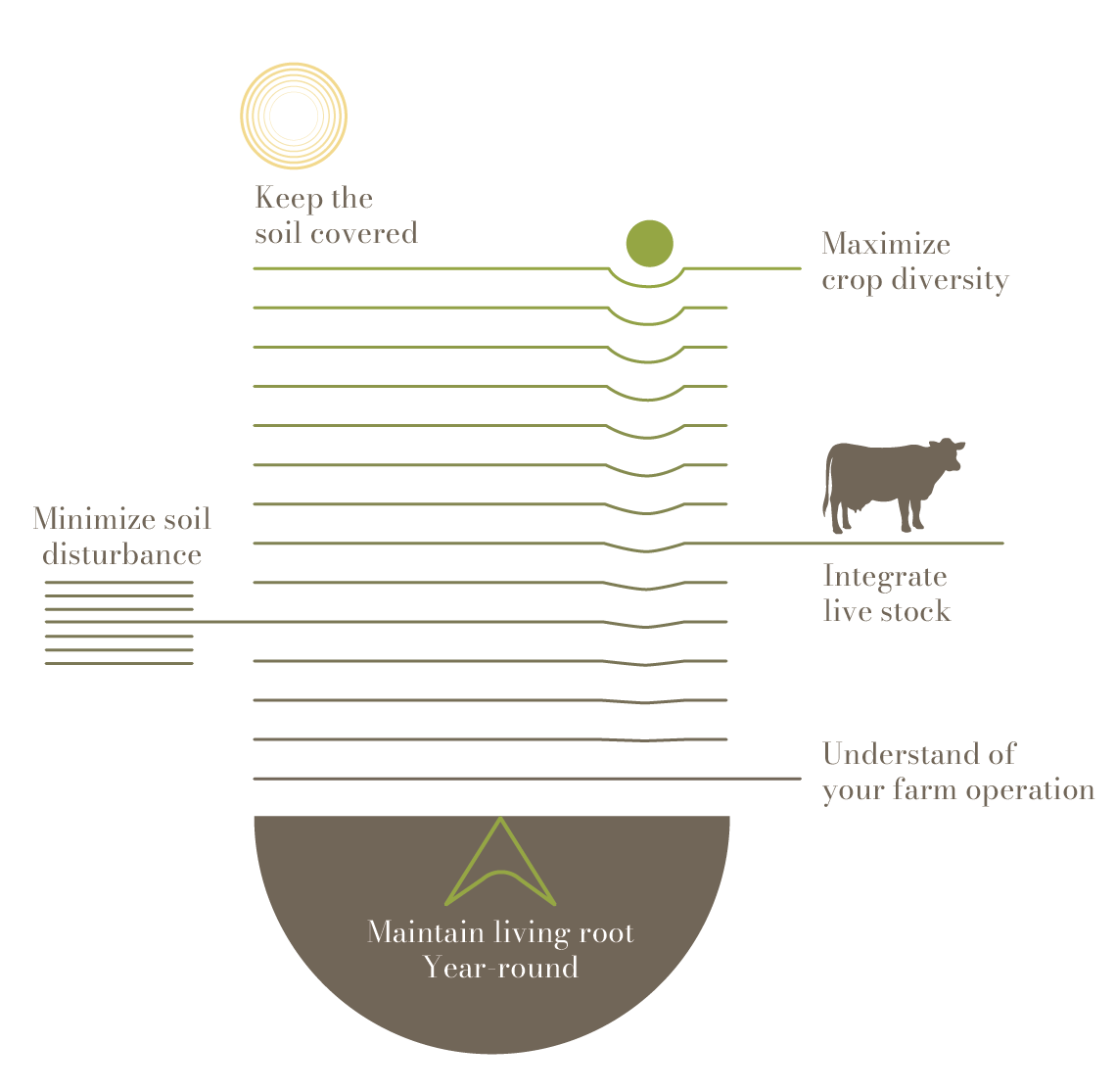
Studies show that regenerative agriculture, due to the measurable increase in soil quality, can help reduce local nutrient pollution due to a decrease in wind and water erosion. Promoting soil quality and keeping soil on the farm benefits the grower but also keeps our waterways and air clean.